
Takasuga Jō was a Japanese man who moved to Australia in 1905 with his family to start producing rice there. This story about his life in simple Japanese was written by the Japan Foundation Sydney for their students.

Takasuga Jō was a Japanese man who moved to Australia in 1905 with his family to start producing rice there. This story about his life in simple Japanese was written by the Japan Foundation Sydney for their students.

Yōkai are Japanese spirits and haunting creatures from Japanese folklore that can be harmless as well as malicious. This booklet introduces you to several of them.
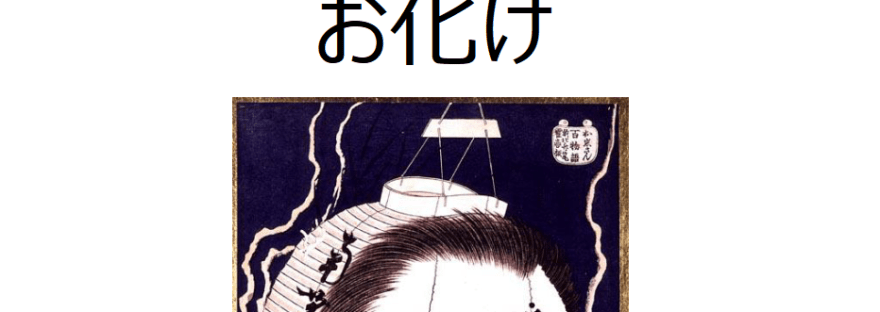
If you're fascinated by supernatural creatures of Japanese folklore, then you'll love this graded reader by the Japan Foundation Kansai. It features simple descriptions of popular Yūrei and Yōkai tales and includes pictures of old woodblock prints to illustrate this eerie world of Japanese ghost stories.

You have probably seen these white and red cat figures somewhere as decoration. They generally have one paw raised or sometimes it’s moving back and forth. Also, they usually either hold a sign with calligraphic characters or it’s hanging from their collar. They are called manekineko and this book tells a legend of their possible origin.

If you are interested in Japanese linguistics or want to have a bit more insight into how Japanese works, this series of short articles for upper intermediate learners is absolutely invaluable.

This book tells the real story of Tonky, an elephant at Ueno zoo. A keeper named Shinichi takes care of Tonky during the 1920s and 1930s, but when the war eventually breaks out, he has to make a difficult decision regarding the elephant…. The tragic fates of the animals at Ueno zoo during the Second… Continue reading [N4] 象(ぞう)のトンキー
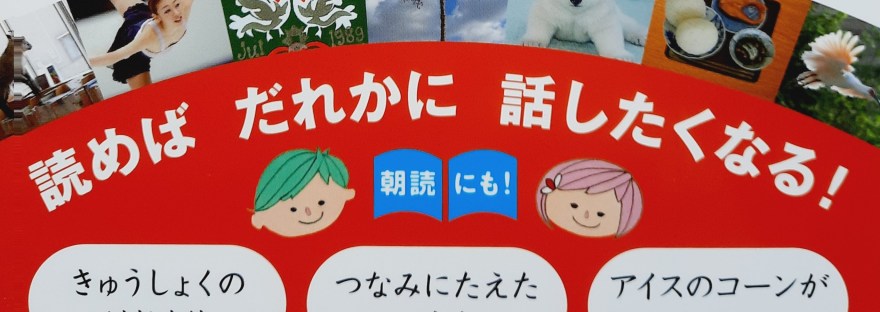
At the start of each day, many schools in Japan have a time slot, in which students can freely read their own books. Today's recommendation is a book for first graders and intended to be read during this reading time. The short stories in here are - as the title suggests - based on true… Continue reading [N3] ほんとうにあったお話 1年生

donburi is the Japanese name for a large bowl of rice where the main dish (e.g. meat or fish) is served on top. Depending on these other ingredients on top of the rice, those dishes are called different names, but all of them end in ~どん. This text written by Kondo Maiko at the Japan… Continue reading [N5] どん、どん、どん
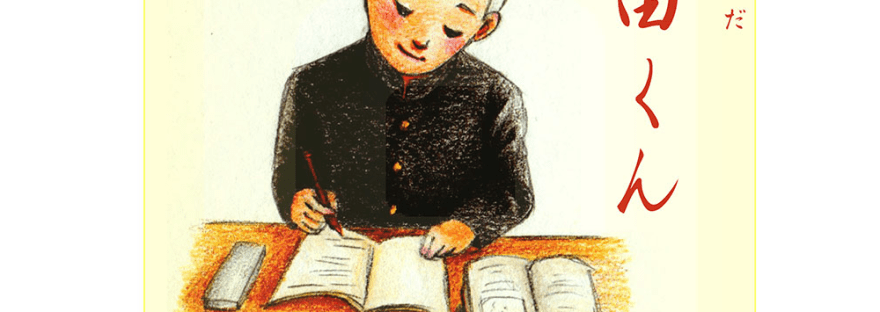
Iida Kunihiko was born in Manchuria in 1942, but was soon brought to Hiroshima by his mother. There he experiences and survives the atomic bombing in 1945… This story was created by the NPO 平和(へいわ)の大切(たいせつ)さを伝(つた)える日本語教材(にほんごきょうざい)をつくる会(かい) which I would translate as 'Association for the creation of Japanese language teaching materials to convey the importance of peace'.… Continue reading [N3] 飯田(いいだ)くん
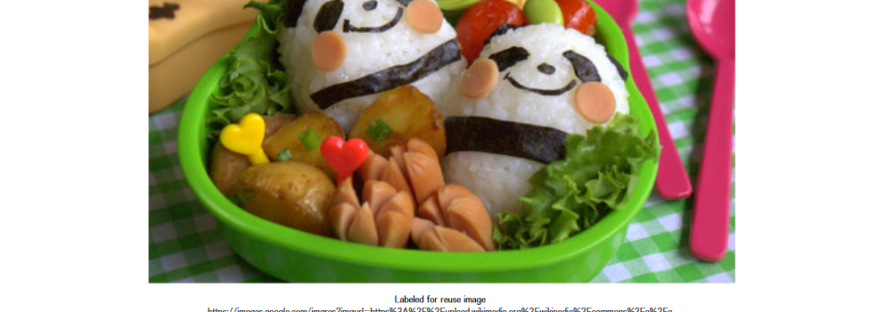
This non-fiction text by McPherson Tanaka Naemi is about bento - what types of bento there are, when the food culture around it emerged and how the discussions around it are also socially linked.
 dokushoclub.com